
SIL, SDA or ILO? What each one means for your home.
SIL is the support, SDA is the building and ILO is a living arrangement designed around you. How each is funded, who it suits, and how the three fit together.
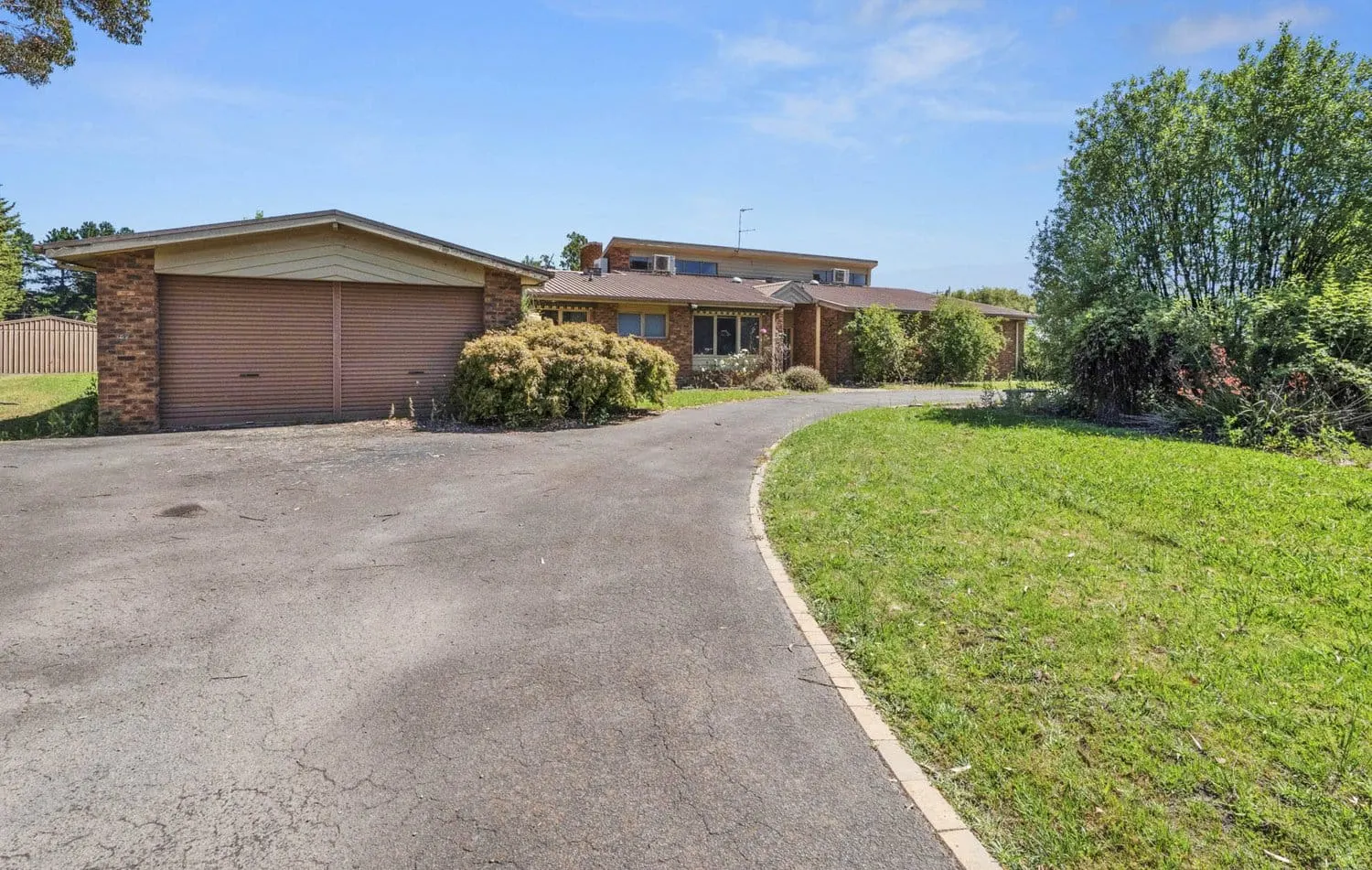
Three acronyms turn up on almost every page about NDIS housing: SIL, SDA and ILO. They sound interchangeable. They are not. One pays for the people who support you at home, one pays for the building, and one pays for the design of a living arrangement that fits you. You can hold one, two or, in rare cases, none of them and still have a good home.
This article explains each in plain language, who it suits, which part of your plan funds it, and the misunderstandings we hear most often.
SIL: the support
Supported Independent Living, or SIL, is the paid support that helps you live in your own home: getting up and showered, cooking, shopping, medication on time, keeping the house in order and having someone there overnight. It is funded for people who need a lot of help most of the day, every day, most often in a shared home with one to four housemates, though it can also be funded for someone living alone.
SIL pays for the support workers, not the building. You rent or own your home like anyone else and pay your own food and bills. The amount in your plan is based on a roster of care: how many hours of support are shared across the house, the ratio of workers to housemates, and whether the overnight worker is awake or asleep.
SIL sits in the Core budget under Home and Living as a stated support, which means the NDIA sets the amount after a home and living request and it cannot be shuffled from other budgets. From 1 July 2026 SIL has its own registration group in the NDIS Pricing Arrangements, and every provider delivering it must be registered with the NDIS Quality and Safeguards Commission. Unregistered providers had until 1 October 2026 to apply or stop delivering SIL. Newdawn has been registered since 2019. Check any provider on the Commission’s public register before you sign. Our Supported Independent Living page has the detail, including the room available in Traralgon.
SDA: the building
Specialist Disability Accommodation, or SDA, is the bricks and mortar: a home designed, built or modified so that a person with an extreme functional impairment or very high support needs can live there safely. It is funded for a small proportion of participants, broadly those for whom an ordinary house cannot be made to work even with modifications.
Every SDA dwelling is enrolled with the NDIA in one of four design categories: Improved Liveability, Fully Accessible, Robust and High Physical Support. Your plan states the category, the building type and the number of residents, and the home you move into must match.
SDA also sits in Core under Home and Living, but it is paid to the housing provider for the dwelling, not to you. You pay a reasonable rent contribution, set by the SDA Rules as a share of the Disability Support Pension plus Commonwealth Rent Assistance. The support inside the home is funded separately, usually as SIL, and the rules deliberately let you choose a different provider for each so the owner of the house is not automatically the one who supports you. Our SDA page covers the four categories and the application process.
ILO: the design of a living arrangement
Individualised Living Options, or ILO, is the newest of the three and the most misunderstood. It is not a type of house and not a roster of shift workers. It is NDIS funding to design a living arrangement around you, then pay for the mix of supports that makes it work.
ILO arrangements take several shapes: living alone with drop-in support, sharing with a housemate who provides some support in exchange for reduced rent, a host arrangement where you live with a family who are not your own, or staying in the family home with formal support layered in. The common thread is that the arrangement is built around one person rather than a house of several.
The NDIA funds ILO in two stages. Stage 1, Exploration and Design, pays an ILO provider to work out with you where and with whom you want to live and who will support you. The NDIA says this usually takes between 30 and 100 hours, and it ends with a service proposal that describes your arrangement, your primary and supplementary supports and a quote. Stage 2, Supports, puts the arrangement in place and pays for three parts: the primary support, such as a live-in housemate or host; supplementary supports, such as paid workers who step in when the primary support is unavailable; and monitoring and adjustment, which keeps the arrangement under review. When the NDIA adds Stage 1 to your plan it gives you an estimate of what Stage 2 is likely to be.
The NDIA’s published guidance says ILO may suit you if you are 18 or older, or 17 and planning your future living arrangements, and you need support at home, formal or informal, for at least six hours a day. ILO funding also sits in Core under Home and Living, as a stated amount.
Side by side
| SIL | SDA | ILO | |
|---|---|---|---|
| What it pays for | Support workers in your home | The dwelling itself | Designing and running an individual living arrangement |
| Typical setting | Shared home of two to five, or alone | Enrolled dwelling in one of four design categories | Your own place, a host home, a housemate arrangement or the family home |
| Who it suits | High daily support needs, often 24 hours | Extreme functional impairment or very high support needs where an ordinary house cannot work | Someone who wants an arrangement built around them and needs six or more hours of support a day |
| Budget | Core, Home and Living, stated | Core, Home and Living, stated, paid to the housing provider | Core, Home and Living, stated, in two stages |
| Rent and bills | You pay | Reasonable rent contribution plus bills | You pay |
| Provider must be registered | Yes, from 1 July 2026 | Yes, and the dwelling must be enrolled | Check the current rules for your arrangement |
How they combine
The combinations people actually live in look like this.
- SIL only. The most common arrangement. An ordinary rented house, two to four housemates, a rostered team and overnight support.
- SIL plus SDA. A purpose-built or modified dwelling with a rostered support team inside it. Our Robust home in Morayfield, Queensland, is an example of both together, with separate agreements for the room and the support.
- SDA only. Less common, but possible when daily support comes another way.
- ILO only. A living arrangement designed around one person. ILO and SIL both fund your daily support at home, so in practice the NDIA funds one or the other, not both.
If a home is not ready yet, short term or medium term accommodation can bridge the gap. Our accommodation page lists the current rooms and how each option fits.
Common misunderstandings
“SIL comes with a house.” It does not. SIL funds the workers. The house is a tenancy you hold, which is why a SIL provider should give you a separate tenancy or occupancy agreement and a separate service agreement, so you can change one without losing the other.
“If I need a lot of support I must need SDA.” Most people with very high support needs live in ordinary houses with SIL. SDA is about whether the building itself has to be specialised, not about how many hours of support you have.
“ILO is for people with low needs.” The NDIA’s own threshold is six or more hours of support a day. ILO is about how the support is arranged, not how little of it there is.
“My SDA provider has to be my SIL provider.” No. The rules separate the two precisely so you can choose. A provider cannot make living in its SDA dwelling conditional on using its support.
“I can use my Core budget for SIL if the SIL line runs out.” No. SIL, SDA and ILO are stated supports. If the funding is not enough, the fix is a plan variation with evidence, not drawing from other parts of Core. Our funding guide explains how stated and flexible budgets differ.
Which one to ask for
Start with the question the NDIA will ask: what support do you need across a week, and does the building itself need to be different? If you need many hours every day and a shared home would suit you, SIL is the likely answer. If an occupational therapist can show that no ordinary home can be made safe or accessible for you, SDA is worth pursuing alongside it. If you want an arrangement designed around you, with a housemate, host or your own place, ask about ILO and the Exploration and Design stage.
All three go through a home and living request to the NDIA, with evidence. A support coordinator usually pulls that together, and the decision can take months, so the earlier the conversation starts the better. If you are unsure which fits, call 03 5998 0717 and tell us what a good week at home would look like. We will tell you honestly which of the three it points to, and whether we have a room.
Questions people ask about this
Can I have SIL and SDA together?
Yes, and many people in SDA do. SDA pays the housing provider for a dwelling built to a design category; SIL pays for the workers who support you inside it. They are separate lines in your plan, assessed separately, and you can have a different provider for each. You can also have SIL without SDA, which is how most SIL homes work, or SDA without SIL if your daily support is funded another way.
Is ILO cheaper than SIL?
Sometimes, but not always, and cost is not how the NDIA decides between them. ILO is funded on a service proposal built around your arrangement, so a host arrangement with a few drop-in hours can cost less than a 24-hour shared roster, while an ILO with a live-in housemate and supplementary workers can cost as much as SIL. The NDIA funds what is reasonable and necessary for your support needs, whichever label it carries.
Do I pay rent under SIL, SDA or ILO?
In all three. None of them covers food, utilities or ordinary household costs. Under SIL and ILO you rent or own your home like anyone else, usually using the Disability Support Pension and Commonwealth Rent Assistance. Under SDA the NDIA pays the housing provider most of the cost of the dwelling and you pay a reasonable rent contribution set by the SDA Rules, which we put in writing before you visit any home.
Can I move from SIL to ILO, or the other way?
Yes. Your home and living supports are reviewed at reassessment and can be changed earlier if your situation changes. People move from SIL to ILO when their skills have grown and they want more say over who they live with. People move from ILO to SIL when their needs rise and a 24-hour shared roster becomes the safer option. Either way the change goes through a home and living request with evidence, and a support coordinator usually leads it.
Ask the team that does this every day.
Newdawn is a registered NDIS provider based in Cranbourne, supporting people across Melbourne's south-east, Queensland and WA. Call, refer online, or ask a question: a real person replies.
More from the blog.

How to change your support coordinator in Melbourne, without losing a day of support.
Step by step: check the notice period in your service agreement, tell the NDIA or your LAC, request your plan and records, and hand over open tasks with no gap.

Forensic disability support: what it is, who it is for, and what good looks like.
Forensic disability support in plain English: who it is for, how Victoria's orders and agencies fit together, how the NDIS shares the cost, and what to ask.
From Casey Hospital to home: how NDIS discharge support works.
From a Casey Hospital social worker's first call to the first night home: NDIA discharge commitments, STA, MTA and SIL options, who pays, and the timeline.