Robust SDA: who it suits, and how to apply.
Robust is the SDA design category for people whose behaviour puts them or others at risk. What it looks like, who is eligible, how to apply and how it differs.
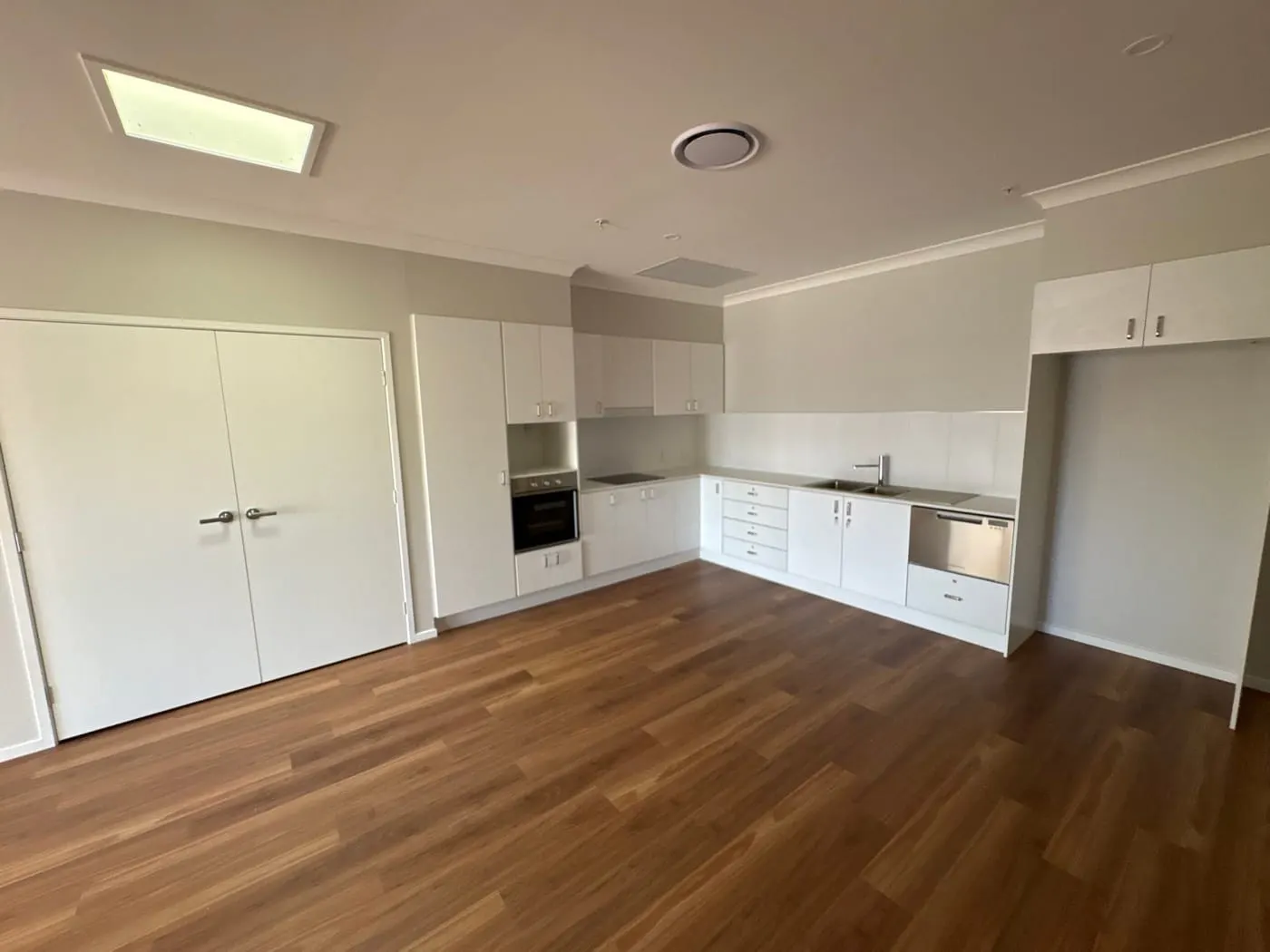
Robust is the Specialist Disability Accommodation design category for people whose behaviour can put themselves, other people or the building at risk. A Robust home is built to stay intact and calm through a hard day, so that nobody has to leave it and nobody gets hurt.
This article explains what the design actually involves, who it is intended for, how SDA eligibility works and how to apply, how Robust differs from the other categories, why it only works alongside behaviour support, and what our own Robust home in Morayfield, Queensland looks like in practice.
What makes a home Robust
Specialist Disability Accommodation, or SDA, is housing built or modified for people with very high support needs. Each SDA dwelling is enrolled with the National Disability Insurance Agency (NDIA) in one of four design categories set out in the NDIS SDA Design Standard, which is in its 2019 edition, Edition 1.1, and has applied to new enrolments since July 2021. The NDIA has said a new edition is being developed, so some detail may change.
For the Robust category, the Standard and the specialist designers who work to it describe a house with:
- Reinforced walls and fixtures. High-impact wall linings, reinforced doors and door frames, and fittings, taps and hardware chosen to withstand force and to be replaced cheaply when they do not.
- Secure windows and doors. Laminated or shatter-resistant glazing, security screens and windows with restricted openings, so a window can be opened for air without becoming an exit or a hazard.
- Sound reduction. Acoustic treatment between bedrooms and living areas, so one person’s hard night does not become everyone’s.
- Retreat areas. Space for a resident to withdraw and settle, and a separate place for staff to step back, so an escalation has somewhere to go other than towards another person.
- Line of sight. A layout where workers can see the shared living areas and the way to the outdoor space without hovering over anyone.
- Secure outdoor space. A yard that is private and enclosed, so being outside is always an option.
The aim is not a fortress. It is a house that absorbs what an ordinary rental cannot, so that a bad hour is a bad hour and not an eviction, an injury or a hospital admission.
Who Robust is designed for
Robust is intended for participants whose behaviours of concern create risk: to themselves, to the people around them or to property. In practice the people who need it tend to share a history.
- Previous homes have been damaged, sometimes repeatedly, and ordinary landlords will no longer rent to them.
- There have been incidents where they, a housemate, a family member or a worker were hurt or at serious risk.
- Placements in group homes or with family have broken down because the environment could not hold.
- Some are leaving a forensic, custodial or secure mental health setting and need housing that will not fail in the first fortnight.
Diagnoses vary. Intellectual disability, autism, acquired brain injury and psychosocial disability are all common. What they have in common is that an ordinary house, even a modified one, would not keep them and the people around them safe.
How SDA eligibility works
SDA is funded for a small group of participants, and Robust is a subset of that group. The NDIA applies the test in the SDA Rules, which has two parts.
First, the disability requirement. You must have either an extreme functional impairment in self-care, self-management or mobility together with a very high need for support from another person for most of the day, or very high support needs, which usually means needing support for most of the day plus either limited informal support, a risk to yourself or others without that support, or a history of living in SDA-type housing.
Second, the SDA needs requirement. The NDIA must be satisfied that SDA will help you pursue your goals, reduce the impact of your impairment and represent value for money compared with other options. For Robust that often means showing that a purpose-built home will reduce incidents, property damage, hospital admissions and the hours of one-to-one support needed, and that modifications to an ordinary home would not achieve the same.
The evidence the NDIA expects usually includes:
- A housing goal in your plan, and a home and living supports request to the NDIA.
- An occupational therapist’s functional and housing assessment recommending the Robust category and explaining why the other categories and ordinary housing with modifications would not work.
- A report from your behaviour support practitioner describing the behaviours, their triggers and the environmental features that reduce them.
- A support coordinator’s report on the alternatives explored and why each was unsuitable.
- Incident records, hospital discharge summaries or reports from previous providers where they exist.
If the NDIA agrees, it writes SDA into your plan as a stated support in the Core budget under Home and Living, naming the design category, the building type, the location and the number of residents. That is your SDA budget. The NDIA pays the housing provider directly for the dwelling, and you pay a reasonable rent contribution set by the SDA Rules as a share of the Disability Support Pension plus Commonwealth Rent Assistance, along with your own food and bills. The support inside the home, usually Supported Independent Living, is funded separately on a roster of care, and behaviour support is funded from Capacity Building. Our SDA page explains the general process, and our funding guide covers how the budgets fit together.
How Robust differs from the other three categories
| Category | Who it suits | What the design focuses on |
|---|---|---|
| Improved Liveability | Sensory, intellectual or cognitive impairment | Lighting, clear sight lines, simple layouts, wayfinding |
| Fully Accessible | Significant physical disability, often wheelchair users | Step-free entry, wide doors, bathrooms and kitchens usable from a wheelchair |
| High Physical Support | Very high physical needs, hoist or ventilator users | Everything in Fully Accessible plus ceiling hoist structure, back-up power, assistive technology |
| Robust | Behaviours of concern that create risk to people or property | Durability, security, sound reduction, retreat space and line of sight |
Two differences matter most. Robust is the only category defined by behaviour rather than by physical or cognitive access. And it is the only category where the building’s job is partly to protect the people around the resident, including workers and housemates, as well as the resident themselves. Robust homes also still have to meet a reasonable level of physical access, so a person with both physical and behavioural needs is not excluded.
Why Robust only works with behaviour support
A reinforced wall does not change behaviour. It buys time and reduces harm while the things that do change behaviour take effect. That is why the NDIA expects people in Robust SDA to have a behaviour support plan, written by an NDIS behaviour support practitioner, and why the home works only when the support team knows that plan well.
In a well-run Robust home, every worker is trained in the person’s plan before their first shift. Incidents are recorded and reviewed by the practitioner for patterns. Strategies are adjusted. Restrictive practices, if the plan includes any, are authorised under state law, reported to the NDIS Quality and Safeguards Commission and reviewed with the aim of reducing them. Over time the goal is fewer incidents, fewer restrictions and, for some people, a move to an ordinary home. Our positive behaviour support page describes how our practitioners work alongside the support team.
Our Morayfield home, as an example
Newdawn’s one SDA dwelling is a purpose-built Robust home in Morayfield, Queensland, run from our Caboolture office. It has two bedrooms, each with a private ensuite, secure outdoor space and onsite overnight assistance, so there is a trained person in the house through the night. It is enrolled with the NDIA in the Robust category and is available now.
The support inside it is delivered by our own team under a separate SIL agreement, with our behaviour support practitioners involved from the first conversation. The occupancy agreement for the room and the service agreement for the support are separate documents, so a resident could change support provider and stay in the home. In Victoria we do not currently own a Robust dwelling; we help people in Melbourne’s south-east secure one from other SDA providers and provide the support inside it.
How to apply, step by step
- Talk to your support coordinator about a home and living request. If you do not have one, ask the NDIA for support coordination.
- Get the OT assessment started early. It is the slowest piece of evidence and the one the NDIA leans on most.
- Ask your behaviour support practitioner for a report that links specific behaviours to specific environmental features.
- Document the alternatives. What has been tried, what broke down and why.
- Submit the request and keep in regular contact with the NDIA about its progress.
- Visit homes before you decide.
If you are at the start of this process and want a plain answer about whether Robust is likely, call 03 5998 0717. We will tell you what we think, what the timeline realistically looks like, and whether the Morayfield home or a Robust home near you is the right place to begin.
Questions people ask about this
Is Robust SDA only for people with a forensic history?
No. The category is about behaviour and risk, not legal status. Many people in Robust homes have intellectual disability, autism or acquired brain injury and have never had contact with the justice system; their behaviours of concern simply made ordinary housing unsafe or impossible to keep intact. Some residents are leaving forensic or secure mental health settings, and a provider with experience in that area helps, but it is not a condition of eligibility.
Does living in a Robust home mean restrictive practices?
Not automatically. A Robust home is a house, not a secure unit, and the design is meant to reduce the need for restriction by making the environment safer in itself. Any restrictive practice, such as a locked gate or a restricted room, must be in the person's behaviour support plan, authorised under the relevant state law and reported to the NDIS Quality and Safeguards Commission. A good provider uses the fewest restrictions the plan allows and reviews them with the aim of reducing them.
How long does it take to get Robust SDA into a plan?
Longer than anyone would like. Gathering the occupational therapy and behaviour support evidence usually takes weeks, and the NDIA's home and living decision can take months. Once SDA is in the plan, finding an enrolled Robust vacancy that matches the stated building type and number of residents depends on what exists in your area. We give a realistic picture at the first call and look at interim options, such as medium term accommodation or a room in a SIL home, where a wait is likely.
Can I live alone in a Robust home?
It depends on what the NDIA funds. Your plan states the building type and the number of residents, and Robust dwellings are generally houses or villas for one to three people rather than apartments, because the design needs secure outdoor space and room to step back. Our Morayfield home has two bedrooms, so at most two housemates, each with a private ensuite. Compatibility matters even more in a Robust setting, so housemate matching is done carefully and with visits first.
Ask the team that does this every day.
Newdawn is a registered NDIS provider based in Cranbourne, supporting people across Melbourne's south-east, Queensland and WA. Call, refer online, or ask a question: a real person replies.
More from the blog.
How to change your support coordinator in Melbourne, without losing a day of support.
Step by step: check the notice period in your service agreement, tell the NDIA or your LAC, request your plan and records, and hand over open tasks with no gap.
Forensic disability support: what it is, who it is for, and what good looks like.
Forensic disability support in plain English: who it is for, how Victoria's orders and agencies fit together, how the NDIS shares the cost, and what to ask.
From Casey Hospital to home: how NDIS discharge support works.
From a Casey Hospital social worker's first call to the first night home: NDIA discharge commitments, STA, MTA and SIL options, who pays, and the timeline.